
Gastro cancers, also referred to as gastrointestinal (GI) cancers, represent a group of malignancies affecting the digestive tract and associated organs. These cancers may arise in the esophagus, stomach, liver, pancreas, gallbladder, small intestine, colon, rectum, or anus. Because early symptoms are often subtle or mistaken for common digestive issues, prompt evaluation and specialized medical care are essential for effective treatment.
Patients seeking Gastro cancer treatment in Vijayawada benefit from comprehensive evaluation and personalized therapy guided by modern oncology practices. Under the expert supervision of Dr. Sai Madhuri, patients receive evidence-based treatment plans designed to address the specific biological characteristics of their cancer.
UNDERSTANDING GASTROINTESTINAL MALIGNANCIES
Gastrointestinal cancers originate from the epithelial lining, glandular cells, or supporting tissues of the digestive system. Each type of cancer differs in its biological behavior, progression pattern, and treatment response.
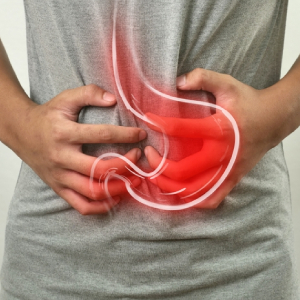
Major Types of Gastro Cancers
- Esophageal cancer
- Gastric (stomach) cancer
- Hepatocellular carcinoma (liver cancer)
- Pancreatic cancer
- Gallbladder cancer
- Colorectal cancer involving the colon and rectum
- Anal cancer
Early identification of these cancers significantly improves treatment outcomes. Patients may benefit from consultation with a GI cancer specialist in Vijayawada who can evaluate symptoms and recommend appropriate diagnostic tests.
RISK FACTORS AND EARLY WARNING SIGNS
Several lifestyle, environmental, and medical factors increase the risk of developing gastrointestinal cancers.
Common Risk Factors
- Chronic tobacco and alcohol consumption
- Obesity and sedentary lifestyle
- Long-standing inflammatory conditions such as ulcerative colitis or hepatitis
- Infection with Helicobacter pylori bacteria
- Diet high in processed foods and low in fiber
Symptoms That Should Not Be Ignored
- Persistent abdominal pain or bloating
- Unexplained weight loss
- Difficulty swallowing
- Blood in stool or black tarry stools
- Yellowing of the skin or eyes (jaundice)
- Chronic fatigue or anemia
Because these symptoms may resemble benign digestive conditions, timely medical evaluation is essential when they persist.
ADVANCED DIAGNOSTIC EVALUATION
Accurate diagnosis and staging form the foundation of effective cancer treatment. Modern oncology uses a combination of imaging and laboratory techniques to identify the type and extent of disease.
Diagnostic Methods May Include
- Endoscopy or colonoscopy for direct visualization and biopsy
- Contrast-enhanced CT scan or MRI imaging
- PET-CT scans to evaluate disease spread
- Tumor marker blood tests
- Image-guided biopsy for histopathological confirmation
Early detection through Gastro cancer screening in Vijayawada can help identify abnormalities before symptoms become severe, improving the chances of successful treatment.
MULTIDISCIPLINARY TREATMENT APPROACH
The treatment of gastrointestinal cancers requires collaboration among multiple medical specialists, including medical oncologists, surgeons, radiologists, and supportive care teams.
Treatment Modalities May Include
Chemotherapy
Systemic drugs used to destroy cancer cells or slow tumor growth.
Targeted Therapy
Precision medications that act on specific molecular pathways responsible for cancer development.
Immunotherapy
Advanced treatments that stimulate the immune system to recognize and attack cancer cells. In certain cases, patients may benefit from Immunotherapy for gastro cancer in Vijayawada, which has improved outcomes for several advanced GI cancers.
Radiation Therapy
High-energy radiation used to shrink tumors or relieve symptoms.
Surgical Management
In early-stage disease, surgery may be performed to remove the tumor and surrounding affected tissue.
Treatment plans are personalized based on cancer type, stage, and the patient’s overall health.
SUPPORTIVE AND HOLISTIC CANCER CARE
Cancer treatment is not limited to tumor removal or drug therapy. Comprehensive oncology care focuses on improving overall well-being and managing treatment-related side effects.
Supportive Services May Include
- Nutritional counseling during chemotherapy
- Psychological and emotional support
- Rehabilitation and recovery guidance
- Symptom management and palliative care
- Long-term follow-up and survivorship planning
Patients with advanced disease may also receive specialized Cancer pain management in Vijayawada to improve comfort and quality of life during treatment.
IMPORTANCE OF EARLY SCREENING AND PREVENTION
Preventive healthcare plays a vital role in reducing the burden of gastrointestinal cancers.
Recommended preventive measures include:
- Routine colonoscopy screening after age 45
- Hepatitis B vaccination and liver monitoring
- Maintaining a healthy weight and balanced diet
- Avoiding tobacco and excessive alcohol consumption
- Regular medical check-ups for individuals with family history of cancer
Early detection often allows less aggressive treatment and better long-term survival.
EXPERT GASTRO CANCER CARE IN VIJAYAWADA
Choosing the right oncology specialist is crucial when managing complex cancers. Patients benefit from personalized treatment planning, advanced diagnostic technolog y, and evidence-based medical care.
With expertise in modern systemic cancer therapies, Dr. Sai Madhuri provides comprehensive gastrointestinal cancer management focused on improving survival outcomes while preserving patient quality of life.
SCHEDULE A CONSULTATION
Persistent digestive symptoms should never be ignored. Early diagnosis and timely medical intervention are essential for successful treatment of gastrointestinal cancers.
Consult Dr. Sai Madhuri Boppana, regarded as one of the best oncologists in Vijayawada, for expert evaluation and personalized oncology care with advanced treatment options and continuous support throughout the cancer journey.